
Why Does My Anxiety Get Worse in the Fall? Understanding Seasonal Anxiety
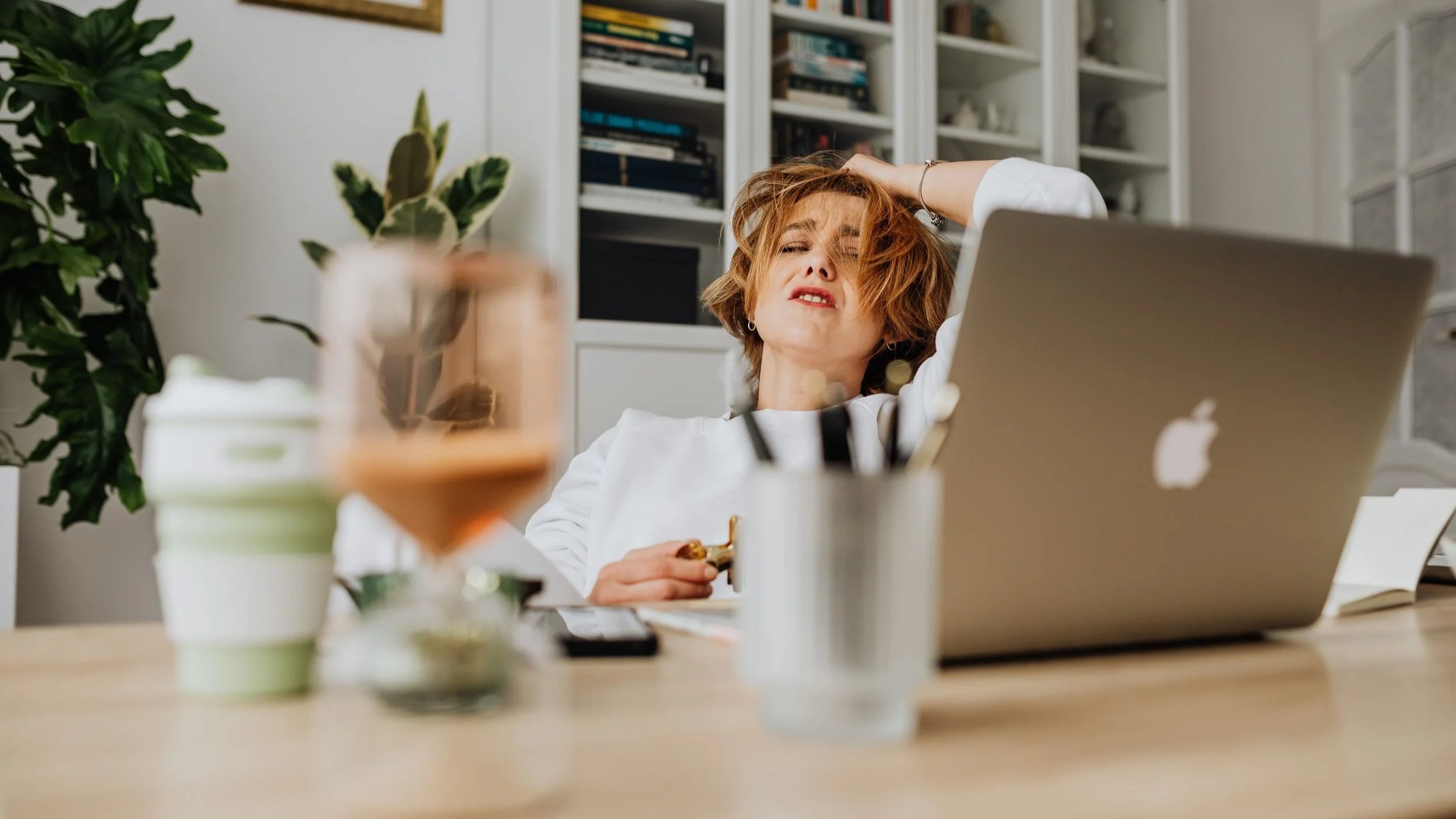
Fall is supposed to be cozy, right?
Cooler weather. Sweaters. Football. Pumpkin everything. Maybe finally being able to walk outside without immediately regretting it.
But instead of feeling relaxed, you feel more anxious. Your mind seems busier. You’re overthinking more. You feel restless or on edge. Your patience is shorter, little things overwhelm you faster, and even when nothing is technically “wrong,” you can’t seem to fully settle.
You might even find yourself wondering, Why is my anxiety worse all of a sudden?
If your anxiety seems to increase when fall arrives, you’re not the only one who notices a seasonal shift. Changes in daylight, routines, sleep, responsibilities, and even what this time of year represents emotionally can affect how grounded and regulated you feel.
And sometimes, fall doesn’t create the anxiety. It simply makes anxiety that was already there harder to ignore.
Can Anxiety Get Worse in the Fall?
It can.
While seasonal affective disorder is usually discussed in connection with depression, seasonal changes can also affect people who experience anxiety.
Think about how much can shift in a relatively short period of time. The days get shorter. Your schedule may become busier. Kids are back in school. Work demands may pick up. You’re spending less time outside. Your sleep may change. And suddenly, the end of the year doesn’t feel that far away.
Even positive changes require adjustment.
If you’re someone who already struggles with anxiety, perfectionism, or feeling like you need to stay on top of everything, those adjustments can feel like one more thing your mind needs to manage.
Seasonal changes can affect more than anxiety, too. If you’ve noticed changes in your overall mood, sleep, motivation, or energy, I talk more about that in Why Do I Feel Different in the Fall? How Seasonal Changes Affect Your Mood.
Seasonal Anxiety Doesn’t Always Look Like Panic
When people hear the word anxiety, they sometimes picture panic attacks, racing thoughts, or obvious fear. But anxiety can be quieter than that.
Maybe you’re getting things done, but you’re constantly thinking about what you need to do next. You finish one task and immediately move to another. You’re mentally reviewing conversations, worrying about decisions you haven’t made yet, or preparing for problems that haven’t actually happened.
You may notice it in your body too. You feel tense. You have trouble relaxing. You’re more irritable. Your sleep feels different. You’re tired, but your mind doesn’t seem to know how to clock out.
And because you’re still functioning, you might convince yourself it’s not really anxiety. You’re just busy. You have a lot going on. You just need to get yourself together.
Meanwhile, your mind and body may be telling a different story.
Why Fall Can Feel Especially Overwhelming When You’re Already Carrying a Lot
Sometimes it isn’t one big thing making you anxious. It’s ten little things happening at the same time.
Work. Family. Relationships. Money. Parenting. Your own expectations. Everyone else’s expectations. Things you haven’t dealt with yet. Things you’re trying not to think about.
Then fall arrives and brings another layer of change. Your routines shift, the days get shorter, responsibilities may increase, and your mind and body have to adjust.
If you already feel stretched thin, even ordinary changes can start to feel like a lot.
That doesn’t mean you’re incapable of handling change. It may simply mean your capacity is already being used.
There’s a difference.
Your Nervous System May Be Responding to Change
Anxiety isn’t always a sign that danger is actually present. Sometimes it’s your nervous system working hard to prepare for uncertainty.
Fall can bring more change than we realize. Daylight shifts. Routines change. Energy levels may feel different. Schedules get busier. You may spend less time outside or have less downtime than you did during the summer. Even when those changes seem small individually, your mind and body still have to adjust.
If you already tend to be anxious or stay on alert, you may notice yourself feeling more on edge, having a harder time settling down, reacting more strongly to little things, or feeling like you always need to be doing something.
You may even know logically that everything is okay while your body seems to be saying, Yeah, I’m not so sure about that.
That disconnect can be confusing, especially when you can’t point to one specific reason for why you feel anxious.
Why Am I Overthinking More Lately?
Anxiety loves uncertainty, and fall can bring a surprising amount of it.
Schedules change. The year is moving quickly. There may be decisions to make, deadlines approaching, financial concerns, family expectations, or things coming up that you already know will require more from you.
If you tend to overthink, your brain may respond by trying to get ahead of everything.
What if this happens? What am I forgetting? Did I handle that correctly? What if I make the wrong decision? What do I need to do next?
Your mind may believe that if it thinks through every possible outcome, you'll be more prepared and somehow feel more in control. But instead of feeling more prepared, you find yourself going over the same thoughts again and again.
Sometimes thinking more feels like the solution because your brain is trying to prevent you from being surprised, disappointed, embarrassed, hurt, or caught off guard.
The problem is that anxiety often promises certainty but delivers exhaustion.
There comes a point when trying to prepare for every possibility stops making you feel safer and starts keeping you anxious.
Your Anxiety May Be Trying to Create Control
One reason anxiety can become louder during periods of change is that uncertainty can feel uncomfortable. So you plan more, think more, check more, and prepare more.
Maybe you become more controlling with your schedule or frustrated when plans change. Maybe you have a harder time delegating because it feels easier to do everything yourself. Maybe you replay decisions because you need to know you made the “right” one.
For some women, this isn’t just about being organized. Control can become a way of trying to create a sense of safety.
If you’ve experienced situations where things felt unpredictable, unsafe, or outside of your control, uncertainty in the present can sometimes bring up a stronger response than you expected. You may know logically that everything is okay while your body still feels like it needs to prepare for something.
That doesn’t mean you’re being dramatic or making something out of nothing. Sometimes it means your mind and body learned that being prepared felt safer than being caught off guard.
Are You Anxious, or Are You Carrying Too Much?
Sometimes anxiety isn’t showing up because you’re incapable of handling life.
Sometimes anxiety shows up because you’ve been handling too much for too long.
You may be managing work responsibilities, caregiving, relationship stress, financial concerns, emotional labor, unresolved grief, and your own expectations of who you think you’re supposed to be. And because you’re used to getting things done, you may not realize how overloaded you are until everything starts feeling harder.
At a certain point, your mind and body stop asking for balance politely. They start demanding your attention.
Feeling overwhelmed doesn’t automatically mean you’re failing. It may be a sign that you’ve reached the limits of what you can realistically carry without more support, rest, boundaries, or something needing to change.
If you’re used to being the person everyone depends on, carrying too much can start to feel normal. I talk more about what can happen when you’re always the strong one and rarely feel like you have permission to fall apart.
And yes, sometimes creating more space for yourself means disappointing someone in order to stop constantly disappointing yourself.
That can be uncomfortable, especially if you’re used to being dependable, capable, and available. Guilt can show up quickly when you start saying no, resting, asking for help, or putting your own needs back on the list.
If guilt is one of the things that makes it hard for you to set boundaries or choose yourself, my Breaking Free From Guilt worksheet can help you explore where that guilt may be coming from and begin responding to it differently.
Download the Breaking Free From Guilt Worksheet
Being able to handle a lot doesn’t mean you should have to handle everything.
Pay Attention to What Your Anxiety Is Asking From You
When anxiety shows up, it makes sense that your first thought may be, How do I make this stop? Anxiety is uncomfortable, and of course you want some relief.
But before immediately trying to shut it down, get curious about what’s happening. Has your schedule changed? Are you sleeping differently? Have you been saying yes when you really want to say no? Are you carrying more responsibility than usual? Are you isolating? Are you putting pressure on yourself to have everything figured out? Is there something coming up that you’re already worrying about?
Sometimes anxiety is asking for coping skills. Sometimes it’s asking for a boundary. Sometimes it’s asking for rest. And sometimes it’s pointing toward something deeper that you haven’t had the space to deal with yet.
The goal isn’t to believe everything anxiety tells you. It’s to better understand what may be happening underneath it.
What Can Help When Seasonal Anxiety Feels Worse?
Start by slowing things down enough to notice your patterns. Pay attention to when your anxiety feels strongest and what tends to happen before it increases. Notice your sleep, caffeine intake, routines, workload, social connection, movement, and how much time you’re spending outside during daylight hours.
Then look at what’s actually within your control.
Maybe you need more structure. Maybe you need less on your schedule. Maybe you need to move your body, spend some time outside, reconnect with someone you trust, or create a more consistent nighttime routine.
And instead of fighting every anxious feeling that shows up, see what happens when you get curious about it. What was happening before the anxiety increased? What does your body feel like it needs right now? Is there something you’ve been avoiding, carrying, or trying to manage by yourself?
Sometimes the most helpful thing you can do is stop expecting yourself to manage everything alone.
When Anxiety Is Affecting More Than Just Your Mood
Anxiety deserves attention when it starts affecting how you live.
Maybe you’re avoiding things because they make you anxious. You’re having difficulty sleeping or concentrating. Your relationships are being affected because you’re more irritable or withdrawn. You can’t seem to relax even when you finally have time to rest.
Or maybe you’re functioning just fine from the outside, but inside you’re exhausted from constantly managing your thoughts.
You don’t have to wait for anxiety to become unbearable before deciding you want support.
Therapy can give you space to understand what’s fueling your anxiety, recognize patterns, develop healthier ways of responding, and explore whether some of what you’re experiencing is connected to stress, trauma, relationships, expectations, or patterns you’ve carried for a long time.
You Don’t Have to Think Your Way Out of Everything
If your anxiety has gotten louder lately, your first instinct may be to figure it out by thinking harder.
But sometimes more thinking isn’t what you need.
You may need somewhere to put down what you’ve been carrying.
I provide virtual individual therapy for women navigating anxiety, trauma, grief, depression, self-worth concerns, and difficult life transitions. Therapy with me is collaborative. You’re still the driver. I’m there to support you, help you make sense of what’s happening, and create a space where you don’t have to have all the answers.
You don’t have to wait until anxiety takes over your life before you decide you’re ready for something to change.
Ready to take the next step? Schedule a consultation to see if working together feels like the right fit.
If you are experiencing thoughts of suicide or self harm, or you feel unable to keep yourself safe, seek immediate crisis or emergency support rather than waiting for a therapy appointment.