
The Woman Everyone Calls "Strong" Rarely Feels Like She Can Fall Apart
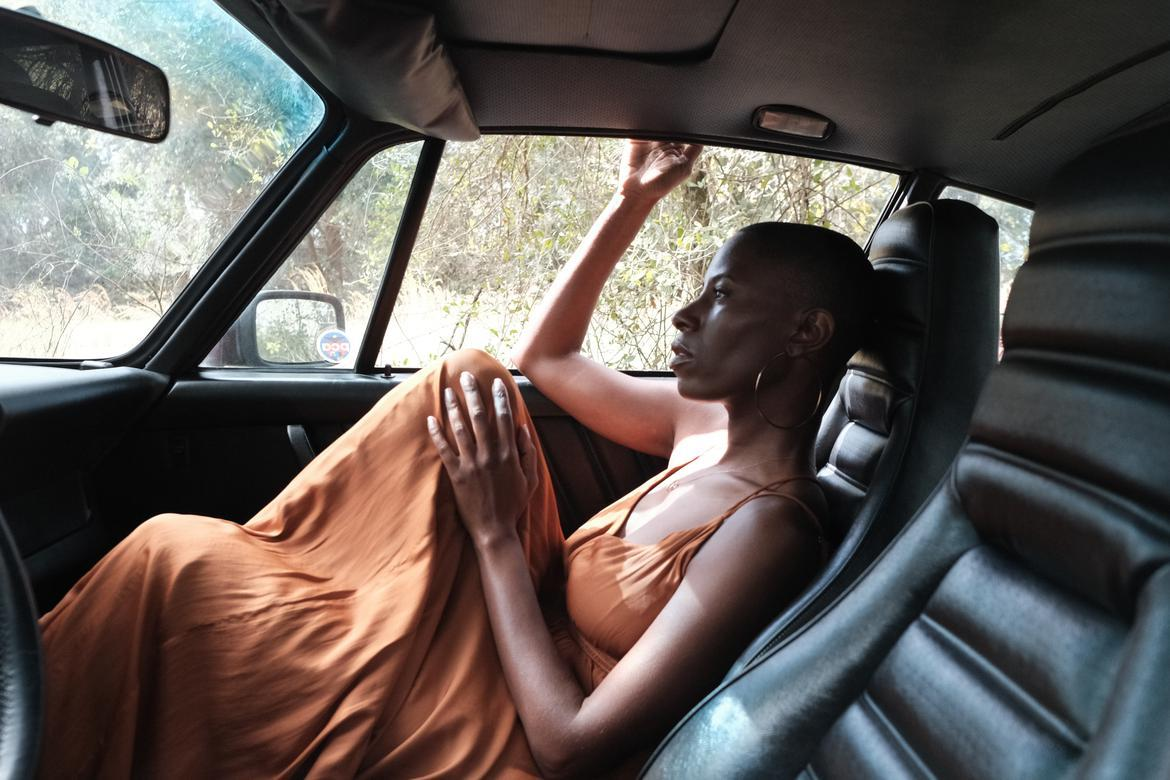
A trauma informed look at what happens when being strong becomes an expectation, and why healing may include allowing yourself to need support too.
When Everyone Knows You'll Figure It Out
You're the person people call when something happens. The family problem. The work emergency. The friend who needs advice. The person who says, "I just need you to listen for a minute." And somehow, you figure it out. You usually do.
People tell you how strong you are. They tell you they don't know how you handle everything or that they wish they could be more like you. You smile. Maybe you laugh and say, "Girl, I don't have a choice." Then you keep going. But I wonder how often anyone asks what it costs you to be the person who always figures it out.
Because sometimes being called strong doesn't feel like a compliment. Sometimes it feels like an expectation you're afraid to disappoint.
When Strength Becomes Something You're Expected to Be
There's nothing wrong with being strong. Your strength may have carried you through some of the hardest seasons of your life. You may have learned how to keep moving while grieving, how to show up for work when your personal life was falling apart, or how to take care of everyone else when no one seemed to notice that you needed care too.
You handled it because you had to. And then you handled the next thing. And the thing after that.
Eventually, people stop asking whether you'll be okay because you've shown them so many times that you will be. Maybe you stopped asking yourself too.
So when you're tired, you push through. When you're overwhelmed, you tell yourself you'll deal with it later. When someone asks how you're doing, "I'm good" comes out before you've even had a chance to decide whether it's true.
Sometimes you've been strong for so long that you don't really know what else you're allowed to be.
Who Takes Care of the Strong One?
One of the things I've noticed over the years is that women who are incredibly good at showing up for everyone else often have a much harder time knowing what to do when they're the ones who need support.
You can give your friend a whole TED Talk about why she doesn't have to do everything alone and then turn around five minutes later and tell yourself, "I'm good. I got it." Funny how that works.
Giving can feel natural. Receiving is sometimes another story. Maybe asking for help makes you feel needy. Maybe you don't want to burden anyone. Maybe you've had enough experiences with people not showing up that depending on yourself simply feels easier. Or maybe you're tired of explaining what you need.
So you handle it. After a while, "I've got it" stops being something you say. It becomes the way you move through the world.
Maybe You Didn't Become This Independent by Accident
We tend to celebrate independence, and there are beautiful things about knowing you can take care of yourself. But independence can also have a story.
Maybe there were times when asking didn't mean someone would come. Times when your feelings were dismissed. Times when other people's needs came first. Maybe you were expected to grow up before you were ready, or learned that relying on someone could end in disappointment.
Sometimes the things we learn to do to protect ourselves stay with us long after the moment has passed. Those survival memories can shape more than who we trust. They can also shape how safe it feels to need someone at all.
Eventually, figuring it out yourself may have started to feel easier. There's comfort in knowing, "If I handle it, I know it'll get done." There's control there. There's predictability. And when life hasn't always felt predictable, control can feel a lot like safety.
If that's part of your story, I don't think your independence needs to be criticized. I think it deserves to be understood.
For Some Black Women, "Strong" Can Carry Another Kind of Weight
For some Black women, being called strong can carry a different kind of weight.
Maybe strength was something you watched the women before you embody because they had to. Maybe you learned early that falling apart wasn't something there was much room for. You handled it. You kept moving. You figured it out.
And there may be parts of that strength you're deeply proud of. There may also be parts of it you're tired of carrying. Both can be true.
You can honor the women who showed you how to survive while deciding that survival isn't the only thing you want for yourself. You can be proud of your strength and still want softness. You can appreciate where you come from and still decide you want more room to breathe.
Why Receiving Can Feel Harder Than Giving
Sometimes we assume that people who don't ask for help don't want it. That's not always true. Sometimes you want someone to notice without having to ask.
You want someone to say, "I've got this. You sit down." You want to answer honestly when someone asks how you're doing without immediately wondering whether you've said too much. You want to lean on someone without wondering whether they'll still be there once you do. But wanting support and feeling safe enough to receive it are two different things.
If you've spent years being the one who holds everything together, allowing someone else to hold something for you can feel incredibly vulnerable. Because receiving asks you to loosen your grip. Just enough to find out whether someone else will actually show up.
And when people haven't always shown up, that can be scary.
You Shouldn't Have to Fall Apart Before Your Needs Count
I think a lot of women wait until they're completely depleted before giving themselves permission to stop. You keep going until your body says no. You keep saying yes until resentment starts showing up. You keep telling everyone you're fine until you can't hold it together anymore.
Then, finally, you let yourself admit,
"I'm tired."
But what if you didn't have to reach your breaking point before your needs counted? What if tired was enough?What if overwhelmed was enough? What if "I don't want to carry this by myself anymore" was enough?
You don't have to prove that you're struggling enough to deserve support. You shouldn't have to completely fall apart before you're allowed to be cared for.
What If Strength Could Look Different?
Maybe healing isn't about giving up your strength. Maybe it's about expanding your definition of it.
Strength can look like setting a boundary before resentment builds. Saying, "I actually need some help with this." Resting before your body forces you to. Allowing someone to show up for you without immediately trying to figure out how you'll repay them.
Sometimes strength is admitting something hurt instead of rushing to explain why you're okay. Sometimes it's saying, "I don't know." And sometimes strength is allowing yourself to be seen before you've put yourself back together.
None of that makes you less capable. It makes room for you to be human too.
If This Feels Familiar
If you've spent most of your life being the strong one, I don't expect you to suddenly become comfortable needing people because you read one article. That's not how this works.
Maybe you didn't become this independent by accident. Maybe there were times when asking didn't mean someone would come. Times when other people's needs had to come first. Times when figuring it out yourself felt easier than being disappointed again.
You learned how to carry yourself. You learned how to keep going. You learned how to survive without needing much from anyone else.
Those things may have served you well. But what helped you survive doesn't have to become the rule for how you live the rest of your life.
Maybe you can still be strong without always being the one holding everything together.
A Question to Sit With
I want you to sit with this one without rushing to answer it: Who would you be if you didn't have to be the strong one all the time?
Not who would you become if you stopped being responsible. Not who would you become if you gave up. Who would you be if you knew you were allowed to need something too?
If you could rest without earning it first. If you could receive without immediately feeling guilty. If someone else could carry something for a while and you didn't have to prove that you could do it better yourself.
What might become possible if strength wasn't the only version of you that felt safe to show?
The Mental Lift
Maybe you are strong. Maybe you've survived things that required more from you than anyone will ever fully understand. And maybe you've become the person everyone depends on because you've proven over and over again that you can handle it. But I hope strength isn't the only thing you allow yourself to be.
You're allowed to need people. You're allowed to not know what to do. You're allowed to rest before you're exhausted and ask for help before everything falls apart. You're allowed to be soft. You're allowed to receive. You're allowed to have a day when you simply don't have it.
None of that takes your strength away.
Maybe healing isn't about becoming less strong. Maybe it's realizing you were never supposed to carry everything just because you could. And maybe, for once, you don't need to prove how much you can hold.
Maybe you get to put something down.
Ready to Begin?
If this resonated with you and you're ready to explore your story in a safe, supportive space, I provide virtual therapy for women in North Carolina, South Carolina, Georgia, Florida, Texas, and Maryland.
Schedule a consultation to see if we're a good fit.