
Why Some women Feel Emotionally Exhausted
… Even When Doing Everything Right
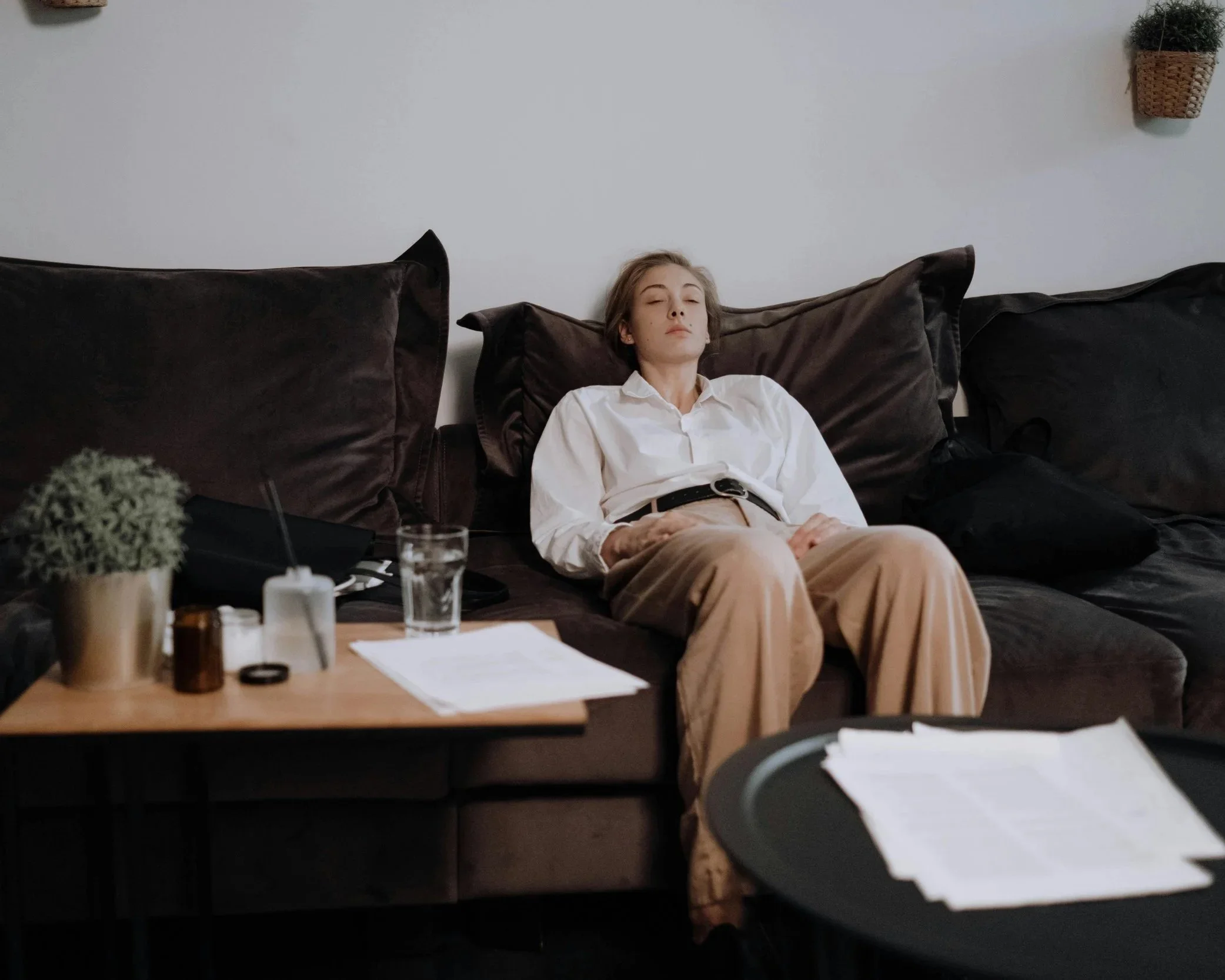
Many women who appear capable and responsible are quietly exhausted.
They manage work.
They show up for their families.
They keep their responsibilities organized.
From the outside, everything looks stable.
But internally, they feel drained, overwhelmed, and emotionally depleted.
This kind of exhaustion is not simply about being busy. It is often the result of a nervous system that has spent years, sometimes decades, living in survival mode.
If you recently read When Your Nervous System Is Stuck in Survival Mode, you may already recognize how constant alertness slowly wears down the body over time.
Signs Emotional Exhaustion Is More Than Stress
Emotional exhaustion often shows up as:
feeling drained even after rest
difficulty concentrating
irritability or emotional numbness
loss of motivation
feeling disconnected from yourself
Many women assume they just need to push through.
But pushing through is often what keeps the cycle going.
The Hidden Work Many Women Carry
For women who experienced trauma, a large amount of emotional energy goes toward:
managing other people’s emotions
avoiding conflict
anticipating problems
trying to prevent disappointment
This invisible labor keeps the nervous system active even when nothing obvious is happening.
Over time it creates deep emotional fatigue.
The Connection Between Strength and Exhaustion
Many women who feel emotionally exhausted were praised for being strong.
They became:
the dependable one
the responsible one
the one who holds everything together
If that sounds familiar, you may also find it helpful to read The Strong Woman Myth: How Trauma, Guilt, and Survival Mode Keep Women Exhausted.
Strength becomes exhausting when it requires you to constantly place your own needs last.
Why Rest Alone Does Not Fix Emotional Exhaustion
Many women try to solve exhaustion by resting more.
But if the nervous system is still operating in survival mode, rest may not feel restorative. The body can remain tense or alert even when you slow down.
This is why healing emotional exhaustion often requires more than simply taking a break.
How Trauma Therapy Helps
Healing emotional exhaustion involves helping the nervous system relearn safety.
In trauma therapy we focus on:
understanding survival responses
releasing chronic tension
learning emotional regulation
rebuilding a sense of internal safety
As the nervous system begins to settle, many women notice something important. Their energy slowly returns, not because they are doing more, but because their body finally feels safe enough to rest.
If Guilt Shows Up When You Slow Down
If guilt rises whenever you try to rest, set boundaries, or prioritize yourself, my guide Breaking Free From Guilt: A Guide to Setting Boundaries Without Shame can help you understand where that guilt comes from and how to respond differently.
You Deserve Support, Not More Pressure
If you have been doing everything right and still feel exhausted, there may be more happening beneath the surface.
Your body may still be carrying the weight of survival mode.
If you are located in North Carolina, Georgia, Texas, South Carolina, Florida, or Maryland and are looking for virtual trauma therapy for women, you are welcome to schedule a consultation.
You deserve to feel supported, rested, and emotionally safe.